

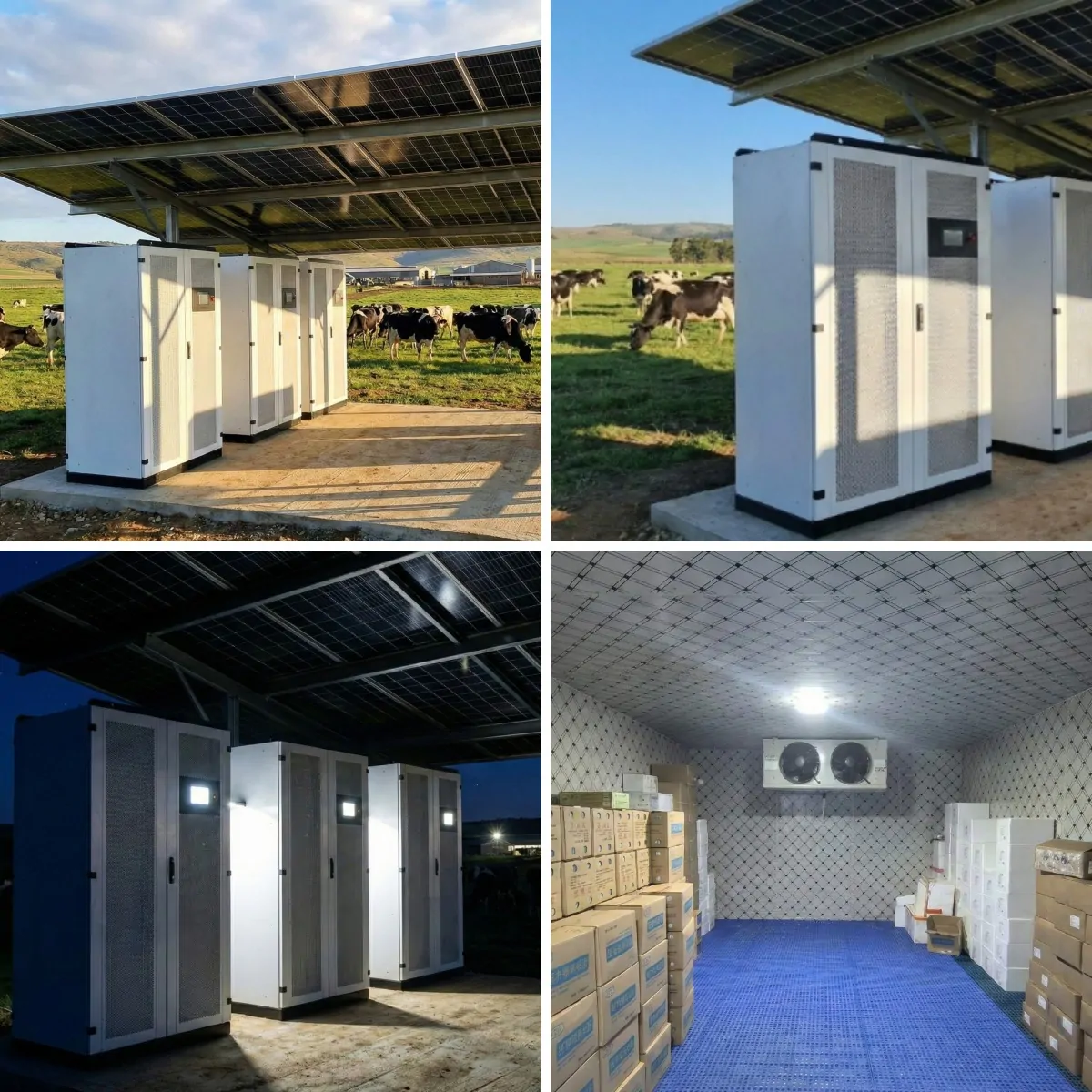
How SNADI Empowered a South African Dairy with 100% Reliable Cooling Chain
The Mogale Dairy Expansion Project is a large scale dairy facility located in the Limpopo province of South Africa. In the dairy industry, maintaining a continuous milk cooling chain is non negotiable; even a few hours of power failure can result in the loss of an entire day's production.
Prior to the SNADI installation, the Mogale Dairy Expansion project faced three daily system trips and significant milk spoilage due to extreme 48°C temperatures and massive compressor startup currents.
- Extreme Thermal Stress: The facility operates in the Limpopo highveld, where afternoon temperatures average 48°C. Previous generic energy systems suffered from thermal shutdowns during these peak heat hours.
- Massive Startup Currents: The dairy’s milk cooling compressors require massive initial currents to start. The existing generic Battery Management Systems (BMS) were unable to handle these surges, tripping up to three times per day.
- Grid Instability: With an unreliable local grid, the farm faced a 92% uptime rate, which was insufficient to protect their perishable inventory.
SNADI Solar replaced the legacy controllers with a rugged, high performance energy storage solution featuring industrial grade hardware:
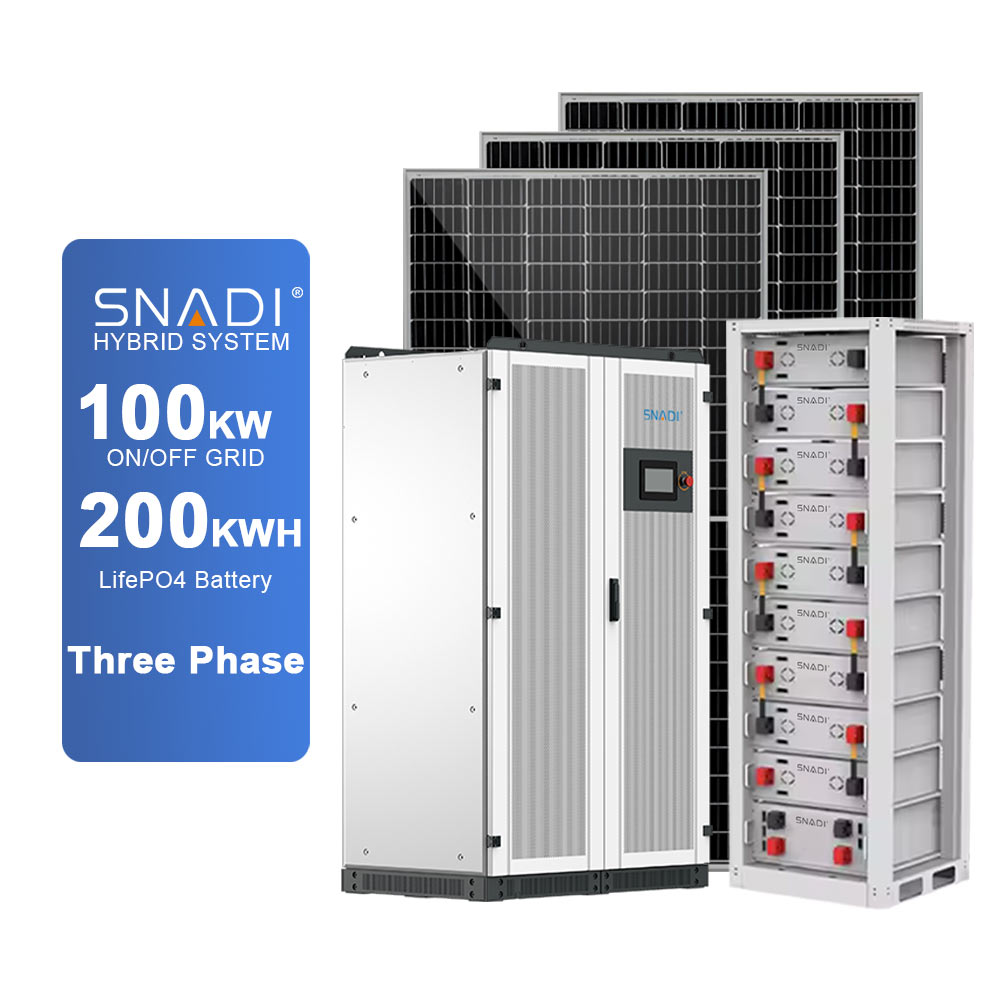
- 100kW SNADI TP Series Three Phase Inverter: This low frequency inverter features a built in transformer specifically designed to handle the massive startup currents of heavy motors and compressors.
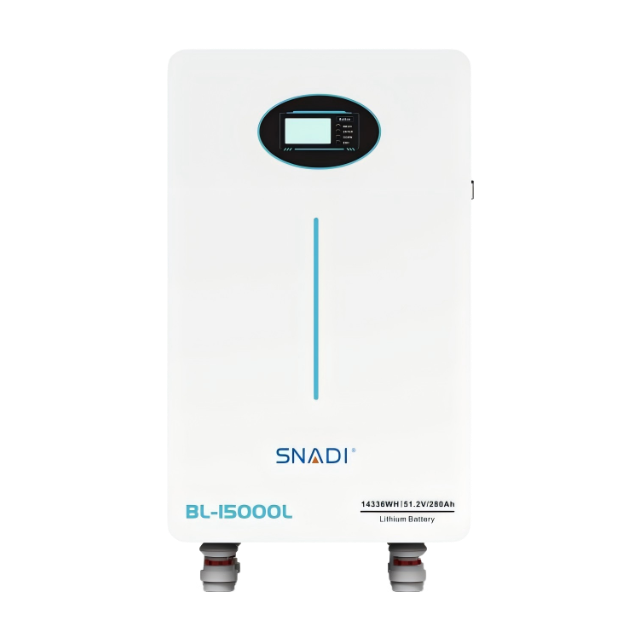
- 150kWh SNADI LiFePO4 Array: We deployed 10 units of batteries in parallel to provide the high capacity energy reservoir needed. These batteries are built with high safety LFP cells capable of 6,000 cycles.
- Integrated Smart BMS with 2A Active Balancing: The system features SNADI’s advanced Active Balancing technology to ensure all 150kWh of storage remain perfectly synced under high surge stress.
- GPRS Remote Monitoring: Utilizing the integrated communication interfaces, the farm management can monitor battery health and performance in real time via GPRS.
- Intelligent Thermal Management: The smart controller was programmed to intelligently derate charging during the 1:00 PM temperature peaks, preventing the thermal shutdowns common in the African heat.
The system achieved 100% uptime and saved $12,000 in the first quarter alone by eliminating power failure related spoilage events.
- 100% System Uptime: Within the first 30 days of operation, system uptime increased from 92% to a perfect 100%, securing the cooling chain.
- Thermal Resilience: The system successfully managed Limpopo’s extreme heat through automated thermal management, with zero reported shutdowns since commissioning.
- Immediate ROI: By eliminating milk spoilage events, the farm saved an estimated $12,000 USD in the first quarter alone, leading to an exceptionally short 2.8-year payback period.
- Asset Protection: The clean, stable sine wave output of the SNADI inverter protects the life of expensive cooling compressors.
Talk To an Expert
Phone/WhatsApp:+86 18039293535
E-mail:exportdept@snadi.com.cn
Related News
-
 Microgrid battery storage in 2026 centers on resilience and decentralized power. Lithium iron phosphate stays the leading chemistry due to its safety profile and long lifespan, though solid state alternatives are emerging. Total system costs have declined through streamlined manufacturing and better supply chain logistics. Advanced energy management systems now utilize artificial intelligence to handle load balancing and peak shaving automatically. These modular installations enable neighborhoods to maintain power during utility failures while integrating renewable sources more efficiently than before.
 -
 In 2026, selecting a converter from dc to ac is vital for off-grid energy independence. High-quality inverters now reach efficiency ratings above 95 percent, utilizing advanced gallium nitride transistors and pulse width modulation for precise sine wave reconstruction. Pure sine wave converters are the industry standard for protecting sensitive electronics like medical tools and refrigerators. Modern systems often feature built-in mppt charge controllers and smart monitoring via bluetooth or mobile apps. Safety remains a priority with integrated fire suppression and surge protection for reliable power.
 -
 Solar panels remain effective during winter, often performing more efficiently in cold temperatures due to improved conductivity. However, shorter daylight hours and a lower sun angle reduce overall energy harvest compared to summer. For off grid systems, managing snow accumulation is critical, as even a thin layer can block sunlight. Increasing the tilt angle helps shed snow and captures low-angle winter rays. Additionally, winter requires focus on battery maintenance since cold can reduce storage capacity. Utilizing high-efficiency MPPT controllers can help maximize energy gains during these shorter, colder days for consistent off grid power.
 -
 Sizing solar equipment for your home involves a precise energy audit to ensure high efficiency and return on investment. The process begins by calculating daily watt-hour consumption for all appliances and estimating peak concurrent loads. Selecting high performance components like N Type TopCon panels and LiFePO4 batteries is essential for long term durability. Inverters must be sized with a safety factor to manage startup surges from heavy machinery. Battery capacity is then determined by the desired days of autonomy. Accurate sizing prevents resource waste and ensures system reliability.


