

Energy storage products for portable power station configurations are advanced systems designed to capture, retain, and efficiently discharge electrical energy, providing a reliable, emissions-free, and highly versatile alternative to traditional fuel-powered generators in remote, emergency, and off-grid applications.
To fully grasp the impact of these developments, it is necessary to examine the foundational technologies, market applications, and manufacturing innovations defining the industry today. This comprehensive guide explores the structural shifts in battery chemistry, technical specifications, and economic factors influencing the global supply chain for portable power systems.
Content Directory and Overview
Section | Summary |
Understanding the Importance of Energy Storage Products | This section defines the foundational role of energy storage technologies in stabilizing, managing, and maximizing the utility of portable power systems. |
The Versatility of Energy Storage Products | This section examines the diverse commercial, industrial, emergency, and recreational applications driving global market demand. |
Advancements in Energy Storage Products | This section details the technical breakthroughs in battery chemistry, smart management software, and hardware design. |
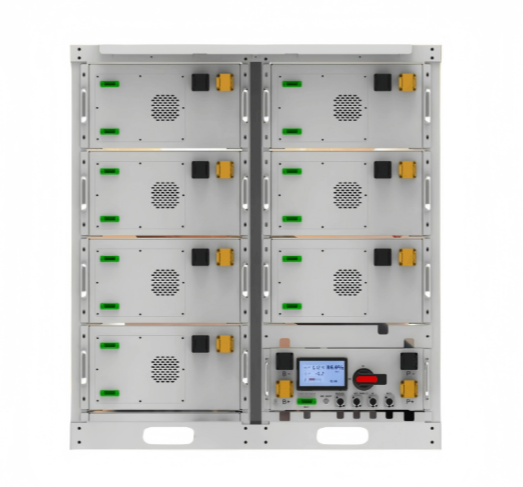
Understanding the Importance of Energy Storage Products
Energy storage products form the core functional framework of any portable power station, serving as the critical link that determines total capacity, cycle life, safety parameters, and overall system efficiency.
Without high-performance energy storage components, a portable power system is merely an empty shell incapable of operational utility. The integration of high-density lithium-iron phosphate or ternary lithium cells dictates how much energy can be compressed into a transportable form factor. For B2B buyers looking to source reliable inventory, evaluating these internal components is paramount, as they directly influence the warranty terms, product lifespan, and safety certifications that end-users demand in commercial or residential settings.
Furthermore, the architectural design of these storage units influences how effectively a power station can handle surging electrical loads. High-quality cells prevent thermal runaway, minimize capacity degradation over hundreds of cycles, and ensure that voltage output remains steady even under heavy strain. When analyzing high-capacity solutions, such as the MS Portable Energy Storage Power Station, the engineering behind the cellular alignment and internal resistance management becomes the primary differentiator between industrial-grade equipment and low-tier consumer electronics.
From a macroeconomic perspective, the importance of these storage products lies in their ability to facilitate the transition toward decentralized green energy. By pairing efficient storage cells with portable solar arrays, users create self-sustaining microgrids. This capability is reshaping procurement strategies for telecommunications, emergency response teams, and field research organizations that require continuous uptime without the logistical headache, noise, and environmental hazards of diesel generators.
The Versatility of Energy Storage Products
The operational versatility of advanced energy storage products allows portable power stations to seamlessly cross over from recreational outdoor use to critical industrial backup, emergency medical support, and agricultural field operations.
The modern market requires multi-functional power delivery, meaning a single unit must be capable of charging sensitive electronics like laptops while simultaneously running high-draw power tools or medical equipment. This versatility is achieved through sophisticated multi-port configurations, pure sine wave inverters, and adaptable DC-to-AC conversion layers. Industrial operators utilize these portable systems to run diagnostic equipment in remote locations, bypassing the need to lay down temporary cables or deploy loud, polluting internal combustion engines.
To illustrate the broad spectrum of utility, we can categorize the primary operational deployments of an energy storage power station across various commercial and emergency sectors:
1. Emergency Backup and Resilience
During municipal grid failures, natural disasters, or severe weather events, these stations provide immediate, plug-and-play backup power for essential appliances, communication arrays, and medical devices.
2. Commercial Field Operations
Construction crews, environmental researchers, and surveying teams utilize portable storage to operate heavy-duty tools, sensors, and telemetry equipment away from developed infrastructure.
3. Remote Hospitality and Recreation
The outdoor recreation industry relies on high-capacity stations to power mobile catering, lighting setups, film production equipment, and glamping sites seamlessly.
The financial viability of integrating these versatile units into a corporate asset portfolio or retail product line becomes even more apparent when evaluating long-term operational expenditures. While localized mobile units handle immediate field tasks, understanding the broader pricing structures of stationary systems helps procurement managers balance their mobile and fixed assets. For a macro view of the economic landscape, reviewing the 2026 home energy storage price complete cost breakdown provides critical context regarding cell manufacturing costs, inverter scaling, and system integration pricing trends that influence the portable market.
Advancements in Energy Storage Products
Recent advancements in energy storage products are characterized by the widespread adoption of Lithium Iron Phosphate chemistry, ultra-fast charging architectures, intelligent thermal management, and smart app-integrated monitoring systems.
The technological trajectory of portable power stations has shifted dramatically away from heavy lead-acid configurations toward ultra-dense, lightweight battery chemistries. Lithium Iron Phosphate, or LiFePO4, has emerged as the industry standard for premium commercial stations due to its exceptional thermal stability, non-combustible nature, and ability to withstand over 3000 charge cycles before experiencing noticeable capacity degradation. This chemical revolution ensures that modern portable power systems offer a significantly lower total cost of ownership over their operational lifespan.
Simultaneously, structural engineering improvements have optimized the volumetric energy density of these products. Manufacturers are now utilizing cell-to-pack technologies that eliminate unnecessary internal housing materials, allowing more raw storage capacity to be fit into smaller, more ergonomic enclosures. This architectural shift is complemented by advanced dual-way fast charging systems that allow high-capacity units to replenish from zero to eighty percent in under two hours via standard AC walls or high-voltage solar inputs.
To provide a clear comparative understanding of how these technological advancements stack up against legacy systems, the following data table highlights key engineering metrics across common storage product generations:
Technical Metric | Legacy Lead-Acid Systems | Early Ternary Lithium Units | Modern LiFePO4 Systems |
Energy Density (Wh/kg) | 30 to 50 | 150 to 220 | 120 to 160 |
Cycle Life (to 80% Capacity) | 300 to 500 | 500 to 800 | 3000 to 5000 |
Operational Safety Profile | Moderate (Off-gassing risk) | Low (Thermal runaway risk) | Exceptionally High (Stable) |
Charging Efficiency Rate | 70% to 80% | 90% to 95% | 95% to 98% |
Environmental Impact | High Lead Toxicity | Medium Cobalt Dependency | Low Eco-toxicity |
These systematic upgrades in hardware are managed by increasingly intelligent Battery Management Systems. Modern BMS firmware continuously monitors individual cell voltages, ambient temperatures, and internal resistance levels in real-time. This active balancing acts as a defensive shield against over-charging, over-discharging, and short-circuiting, guaranteeing operational continuity under challenging environmental conditions.
For enterprise clients designing comprehensive energy architectures, syncing these mobile advancements with structural properties is highly beneficial. Analyzing the complete cost breakdown of energy storage systems reveals how smart BMS software and premium cell selections scale up from compact portable units to large-scale infrastructure, reinforcing the value of sourcing high-caliber hardware.
Summary and Conclusion
The landscape of portable energy storage is experiencing a profound transformation driven by rapid technological innovation and diversifying market demands. For B2B enterprises, distributors, and bulk procurement officers, investing in high-tier portable power stations is no longer just about offering a temporary battery backup; it is about providing decentralized, reliable, and intelligent power hubs capable of performing in high-stakes environments.
By prioritizing systems built upon stable chemical foundations like LiFePO4, utilizing smart BMS architectures, and offering multi-functional input/output interfaces, brands can secure a highly competitive position in the global market. Aligning your procurement strategy with advanced manufacturing standards ensures that your product inventory remains resilient, compliant with global safety mandates, and fully optimized to meet the rigorous energy challenges of tomorrow. Sourcing proven platforms like an efficient portable power supply guarantees that your operational or retail infrastructure stands on the cutting edge of the mobile energy revolution. Sourcing components with a clear view of global pricing trends, supported by dynamic insights like a comprehensive energy storage cost analysis, empowers businesses to build sustainable, highly profitable energy portfolios for years to come.

FAQ
Energy storage products are the core battery components that store and supply electricity in portable power stations, determining the system’s capacity, efficiency, safety, and lifespan.
Why is LiFePO4 battery technology widely used in modern portable power stations?
What are the main applications of portable energy storage power stations?
How do modern portable power stations improve operational safety?
What advantages do portable power stations have over traditional fuel generators?