
Rethinking energy is no longer a choice for the modern enterprise; it is a survival mechanism. As we navigate the complexities of 2026, the global energy landscape remains volatile, driven by infrastructure aging and supply chain disruptions. For businesses in the hospitality, agriculture, and education sectors, the traditional model of viewing electricity as a variable monthly expense is obsolete. Today, the most resilient organizations are shifting toward a model where they own the grid they stand on. By prioritizing solar self consumption, these entities are transforming a passive cost center into a powerful profit engine, shielding their margins from the external shocks of inflation and energy instability.
Why Harvesting Your Own Power Beats Buying It
The primary driver for this transition is the shift from seeking simple investment returns to securing long term cost certainty. In an era where utility prices can fluctuate by double digits annually, the ability to lock in energy costs for the next two decades provides a massive competitive advantage.
Beyond ROI:
When a hotel or a commercial farm invests in high capacity energy storage and solar infrastructure, they are essentially pre purchasing twenty years of fuel at a fixed price. This allows CFOs to budget with precision, knowing that the levelized cost of energy (LCOE) for solar self consumption remains significantly lower than the projected retail rates of traditional providers. According to the 2024 International Energy Agency (IEA) Renewables Report, the cost of solar plus storage systems has dropped by an additional 12% compared to 2023, making it the most cost-effective power source for off-grid and weak-grid environments.
Operational Decoupling:
True energy autonomy is achieved when a business decouples its operational health from the regional power grid. This operational decoupling is particularly vital for facilities where power outages result in immediate financial loss. A commercial dairy farm or a cold chain logistics center cannot afford a four hour blackout. By utilizing solar self consumption backed by robust Lithium Iron Phosphate (LFP) battery systems, these businesses ensure that their operations remain fluid, regardless of grid performance.
| Strategic Factor | Traditional Grid Reliance | Solar Self Consumption (Off-Grid Focus) |
| Price Stability | Vulnerable to fuel surcharges and inflation | Fixed LCOE over 20-25 years |
| Power Reliability | Subject to load shedding and aging infrastructure | 24/7 autonomy via high capacity ESS |
| Operational Control | Managed by utility monopolies | Fully controlled by the business owner |
| Asset Valuation | Operating expense with zero equity gain | Capital asset that increases property value |
| Environmental Impact | High carbon intensity | Near-zero operational emissions |
How ESS and Smart Logic Transform Your Facility
The hardware behind solar self consumption has evolved. It is no longer just about panels; it is about the "logic" that governs how energy is moved, stored, and utilized.In 2026, the battery is the heart of the enterprise. For a remote luxury resort, an Energy Storage System (ESS) is not just a part; it is an insurance policy. It ensures that the air conditioning runs through the night and that the kitchens are fully powered for breakfast service before the sun even rises. High cycle LFP batteries now provide over 6,000 cycles at 80% depth of discharge, meaning a single investment provides over 15 years of daily reliability.Effective solar self consumption requires a strategy for matching production with consumption. Through pre set logic controls, facilities can automatically schedule energy intensive tasks, such as pumping water for irrigation or running industrial laundry machines, during peak solar production hours. This orchestration ensures that the maximum amount of "free" solar energy is used immediately, reducing the strain on the battery bank and extending the overall system life.
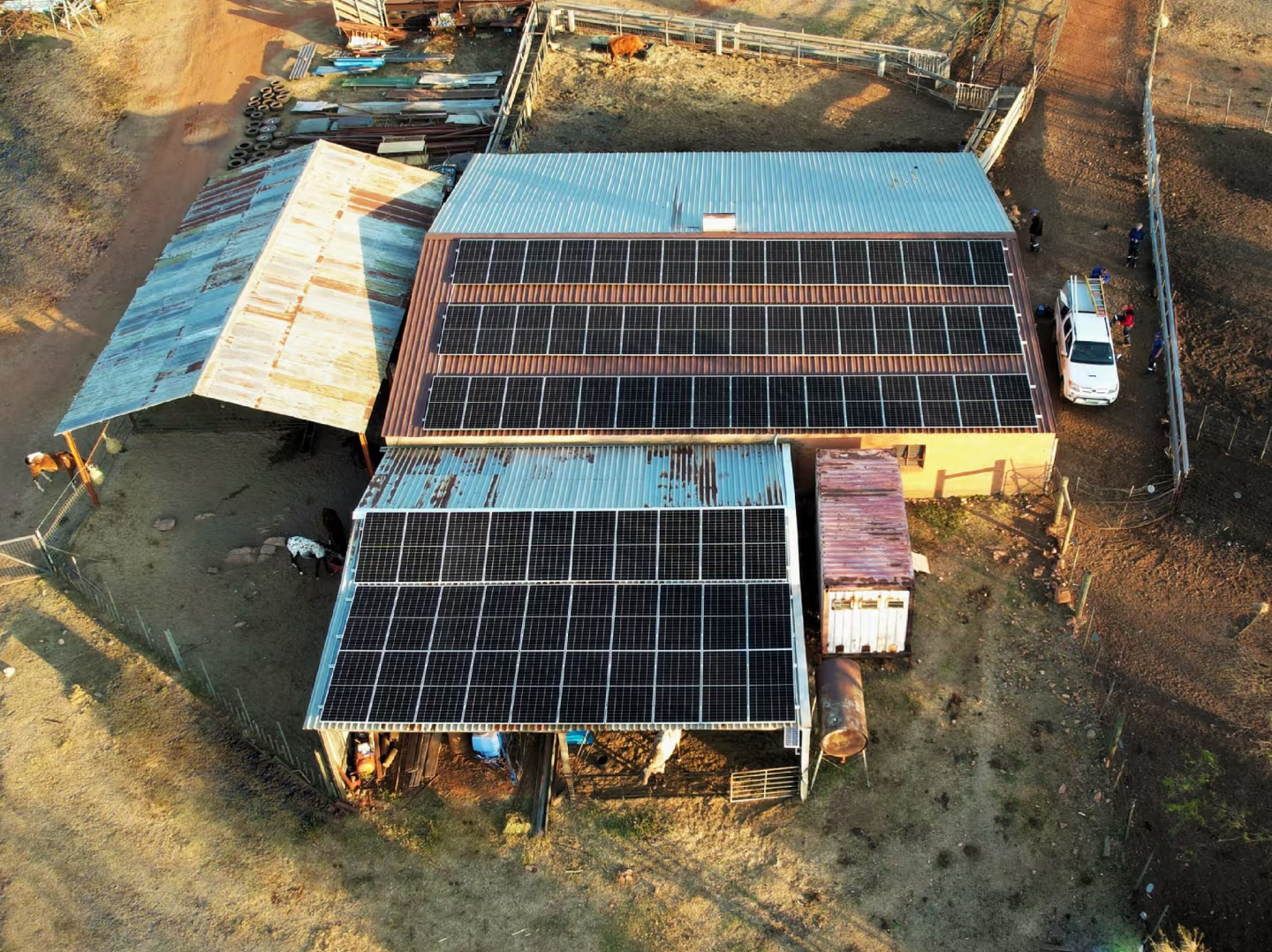
In the hospitality sector, energy is often the second highest operating cost after labor. By implementing a sophisticated solar self consumption strategy, eco resorts can market a "Zero Carbon Stay," attracting high premium travelers who prioritize sustainability. While many resorts claim to be green, Kudadoo Maldives Private Island was designed by Yuji Yamazaki Architecture to be entirely solar powered. The main building features an integrated solar roof that generates 320kWp of power, which is sufficient to sustain the entire island’s operations without the need for diesel generators under normal conditions. This has allowed the resort to maintain high luxury standards while eliminating the logistical nightmare and environmental risk of transporting fuel to a remote location. For the agricultural sector, the synergy between solar power and cold storage is a game changer. In regions like Sub Saharan Africa and Southeast Asia, post-harvest loss due to inadequate cooling can reach 40%. Solar powered cold storage, utilized via solar self consumption, allows farmers to store produce at the point of harvest, wait for better market prices, and significantly increase their net margins. SNADI Solar has deployed modular, solar integrated cold rooms across Thailand. Their 2025 impact reports show that farmers using solar powered cooling have seen a 25% increase in exportable grade produce. By using the sun to power the refrigeration logic during the heat of the day, these farms have reduced their dependence on expensive, unreliable diesel by 80%, directly converting energy savings into farm profit.
5 Strategic Moves to Maximize Your Energy Independence
Right-Sizing Your Infrastructure
The goal is not to build the largest system, but the most efficient one. A professional energy audit can identify the "sweet spot" where your generation matches your critical load, ensuring you don’t over-invest in unused capacity while maintaining a 100% reliability rate.
Thermal Synthesis
For hotels and educational institutions, water heating is a massive expense. By utilizing excess photovoltaic power during the peak of the day to drive heat pumps, you can store energy in the form of hot water. This "thermal battery" approach is often 30% more cost effective than adding additional chemical battery storage.
Dynamic Load Shifting
Encourage a culture of efficiency. By shifting operational workflows, like pool filtration or milling, to coincide with peak solar hours, you can increase your solar self consumption rate from a standard 30% to over 70%, drastically shortening the payback period of the system.
Revenue-Generating Assets
Transform your infrastructure into a service. A solar powered parking canopy at a school or hotel can be equipped with charging stations. What used to be a cost (lighting and maintaining a lot) becomes a revenue stream as you provide power to visitors or staff at a premium.
Long term Reliability Audit
The longevity of your solar self consumption depends on the quality of the core components. Selecting Tier-1 off grid specialists who understand the rigors of 24/7 independent operation reduces maintenance costs by an estimated 80% compared to using standard residential-grade equipment in a commercial setting.
Overcoming Implementation Hurdles
The biggest barrier to energy independence is the fear of complexity. However, modern systems are designed for modularity. By working with experts who specialize in off grid and high resilience systems, businesses can avoid the common pitfalls of undersized battery banks or incompatible inverter logic. A professional solution ensures that even during several consecutive "no sun" days, the facility remains operational through intelligent discharge management. Your energy system should grow with your business. Modular ESS and inverter configurations allow owners to start with a system that meets today's needs and expand as their facility scales. This "pay as you grow" approach ensures that capital is used efficiently while maintaining the path toward total energy autonomy.
Conclusion
The transition to solar self consumption is more than an environmental gesture; it is a calculated business move for the year 2026. By taking control of your power generation and storage, you are effectively taking control of your business’s financial future. You are trading a lifetime of unpredictable utility bills for a permanent, high-performing asset. As energy costs continue to climb and grid reliability falters, the question is no longer whether you can afford to invest in energy autonomy, but whether you can afford not to.
✉️Email: exportdept@snadi.com.cn
Website:
www.snatsolar.com
www.snadisolar.com
☎️WhatsApp / WeChat: +86 18039293535
FAQ
Q1. How does the self consumption model provide a better ROI than simply selling power back to the grid?
In the 2026 energy market, the retail price of electricity purchased from the utility is significantly higher than the feed in tariffs paid for selling excess solar power. By prioritizing self consumption, your business avoids buying expensive grid power. Every kilowatt hour generated and used on site at your hotel or farm represents a direct saving at the full retail rate, which accelerates your return on investment and protects your profit margins from future utility price hikes.
Q2. Can my facility achieve high self consumption rates without investing in expensive battery storage?
While battery storage maximizes self consumption, you can still achieve significant results through intelligent load shifting. By aligning your most energy intensive operations, such as laundry cycles in hotels, irrigation in farms, or climate control in schools, with peak solar production hours, you use the sun’s energy directly as it is produced. Our smart inverter solutions provide the real time data needed to automate these processes, ensuring you capture the most value from your solar array even without a large-scale battery bank.
Q3. What happens to my business operations on cloudy days or during high demand periods?
The self consumption logic is built on a seamless hybrid approach. Modern smart inverters automatically balance power from your solar panels, the local grid, and your battery storage (if available). If solar production drops due to weather, the system instantly draws the necessary balance from the grid without any interruption to your operations. This ensures that your facility remains fully powered while the system always prioritizes the cheapest available energy source to keep your operational costs as low as possible.
Q4. How does a self consumption strategy improve the long term valuation of my commercial property?
Transitioning to a self consumption model transforms your energy setup from a monthly expense into a high value infrastructure asset. For property owners, such as those managing schools or resorts, this increases the "net operating income" by permanently lowering overhead costs. A building that produces and manages its own energy is more resilient and attractive to future buyers or investors, especially as carbon reporting and energy efficiency standards become stricter for commercial real estate in 2026 and beyond.

FAQ
The energy consumption standards for household appliances are usually regulated by relevant national departments, and different products have different energy efficiency level standards. Consumers can choose energy-saving products based on their energy efficiency levels.
What are the precautions for repairing and maintaining household appliances?
What is the service life of household appliances?
What issues should be noted when purchasing household appliances?
What issues should be noted when purchasing household appliances?