

How SNADI Empowered an Island Resort with 24/7 Reliable Off Grid Power
The client is a premium boutique eco resort located on a remote island in Palawan, Philippines. The resort features 8 guest beachfront villas, a central dining area, and essential support facilities (water desalination and cold storage). Due to its geographical isolation, the resort has zero access to the national utility grid, making energy self-sufficiency the cornerstone of its operations.
Prior to the SNADI installation, the resort relied 100% on diesel generators. The operational pain points were critical:
- Financial Drain: The combined cost of fuel, sea freight, and frequent engine maintenance pushed electricity costs to an unsustainable $0.70/kWh.
- Brand Damage: Constant generator noise and exhaust fumes directly contradicted the resort’s Eco Luxury promise, leading to guest complaints.
- Operational Risk: During the typhoon season, fuel supply chains often snapped, leaving the resort at risk of total blackouts and food spoilage in cold storage.
SNADI designed a robust, high efficiency Off Grid ESS (Energy Storage System) tailored for tropical, high salinity environments:
- 12kW High Frequency Off Grid Inverter: We deployed SNADI’s flagship high frequency inverter, featuring a compact, high efficiency design. With a conversion efficiency of over 93%, it ensures minimal energy loss during the DC to AC process. Its sleek, wall mounted design saved valuable space in the resort's utility room while providing robust 12kW continuous power.
- 30kWh LiFePO4 Battery Pack: A high capacity Lithium pack provides 27kWh of usable energy(90% DOD). This ensures the resort stays powered silently through the night, covering all lighting, refrigeration, and guest amenities.
- Smart Solar Integration: A 15kWp Solar Array was paired with the inverter’s built in high speed MPPT controller, maximizing energy harvest even during partially cloudy island days.
- Smart Management: Integration of a Generator Auto Start (ATS) function. The SNADI inverter monitors battery voltage in real time; the generator only kicks in during prolonged monsoon rains, reducing diesel run time by over 90%.
The transition to SNADI’S solar solution delivered immediate and measurable ROI:
- Energy Independence: Diesel consumption was reduced from 24 hours/day to less than 2 hours/day (average), saving approximately $11,500 annually in fuel and maintenance.
- Rapid Payback: With the current Philippine fuel prices, the client is on track to achieve Full Payback (ROI) in just 22 months.
- 20-Year Lifetime Savings: The system is projected to generate a total net saving of over $150,000, effectively turning a former operational expense into a long-term profit center.
- Guest Experience: The resort now offers a "Silent Night" experience with zero generator noise, significantly increasing guest satisfaction scores and premium booking rates.


Talk To an Expert
Phone/WhatsApp:+86 18039293535
E-mail:exportdept@snadi.com.cn
Related News
-
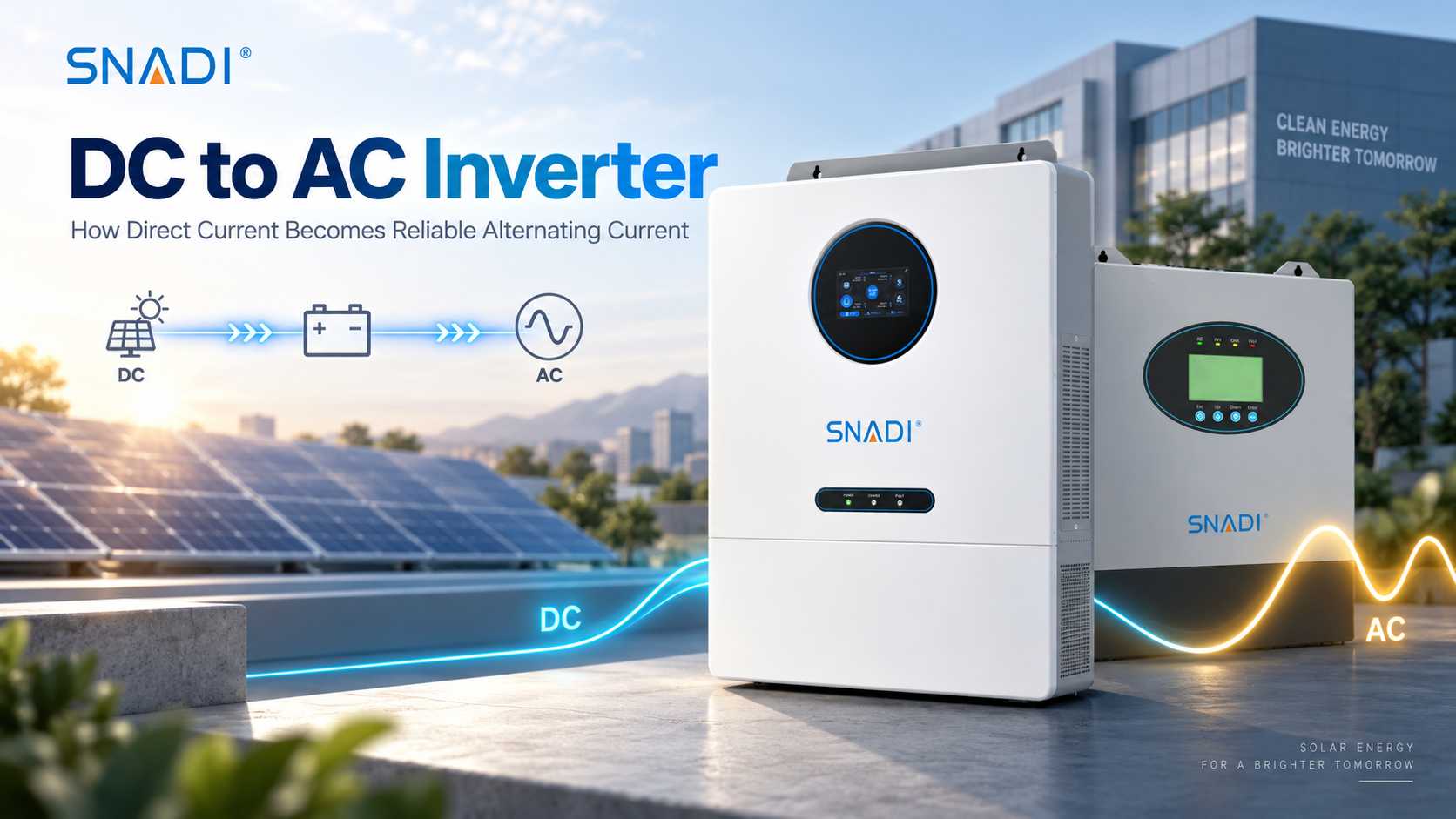 Learn how a DC to AC inverter converts direct current from solar panels and battery banks into stable alternating current for homes, commercial facilities, and industrial equipment. This guide explains how inverter switching, PWM control, filtering, and voltage regulation work, while also covering pure sine wave, modified sine wave, and square wave designs. You’ll also learn about inverter efficiency, system sizing, surge power, input voltage selection, and solar-plus-storage configurations for reliable backup power and everyday energy use. It also highlights common sizing and installation mistakes to avoid.
 -
 Explore how commercial solar inverter efficiency changes under high temperatures, unstable grids, varying loads, and energy storage conditions. This guide explains CEC vs. European efficiency, common conversion losses, MPPT voltage effects, thermal derating, inverter architectures, financial impact, and key selection criteria for commercial and industrial solar projects.
 -
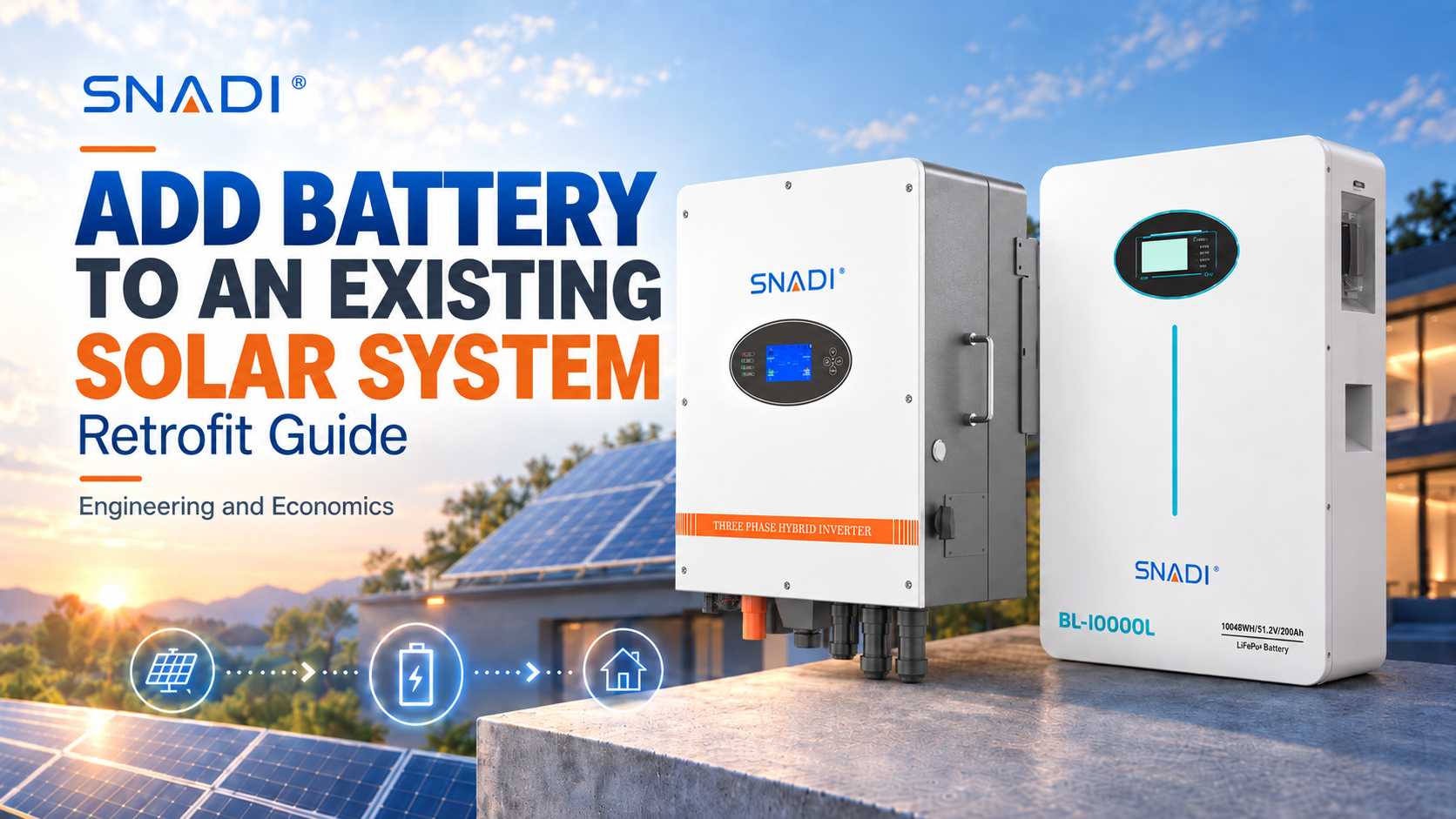 This guide explains how to add battery storage to an existing solar system without unnecessary equipment replacement. It compares AC coupled and DC coupled retrofit options, inverter compatibility, battery sizing, backup design, BMS communication, grid isolation, and project economics. It also covers common retrofit mistakes and practical considerations for commercial and residential solar systems.
 -
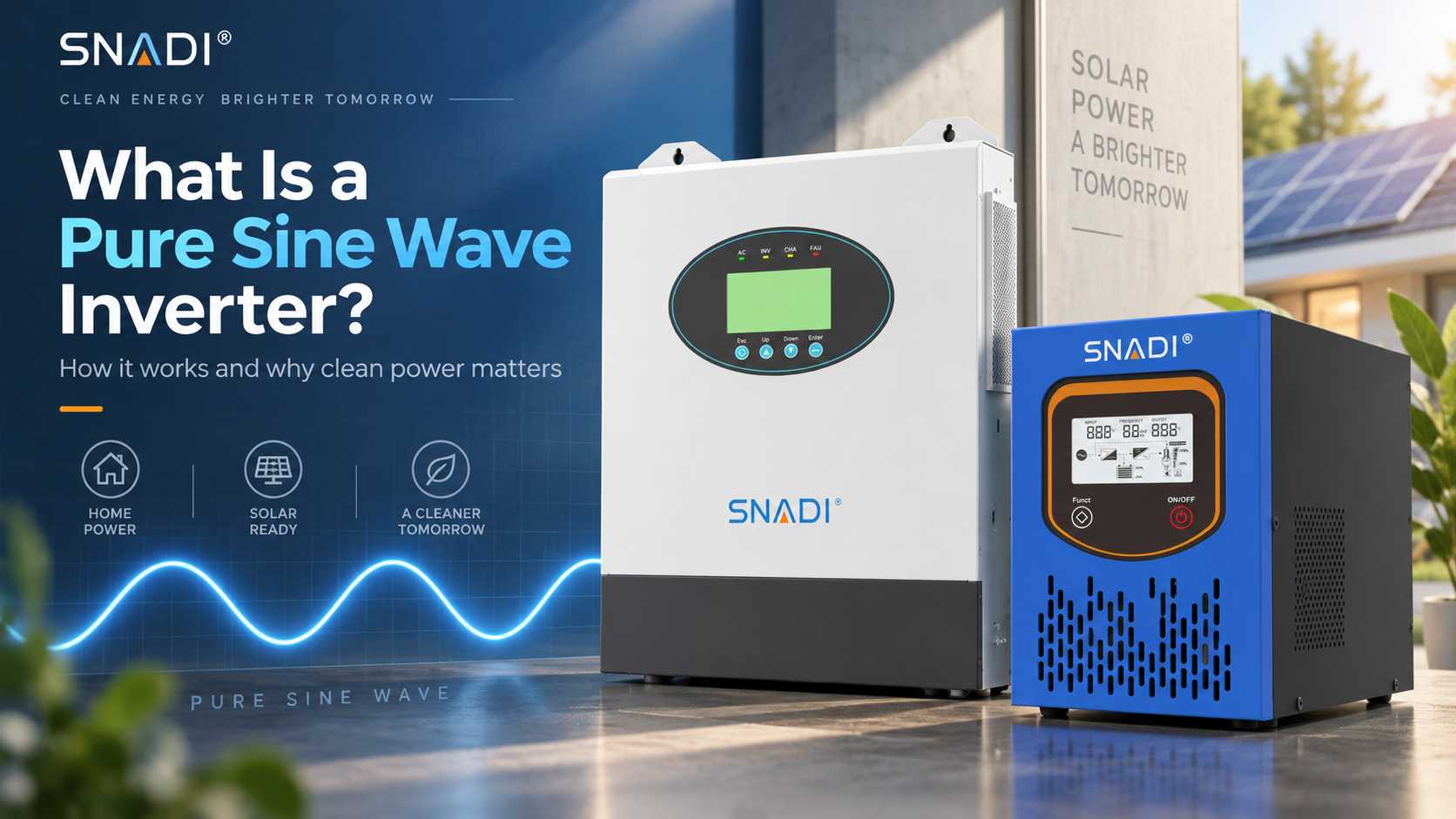 A pure sine wave inverter converts DC power from batteries or solar systems into smooth AC electricity that closely matches utility power. This article explains how pure sine wave inverters work, why waveform quality and THD matter, and when they are a better choice for motors, compressors, pumps, electronics, and backup systems. It also covers inverter sizing, startup surge, battery voltage, transfer performance, and practical selection factors for residential, off grid, and small commercial applications, helping buyers choose a system that fits real load and operating requirements.
